Introduction
In today’s rapidly evolving business landscape, digital transformation is not just an option—it’s a necessity. Companies across industries are realizing that integrating digital technologies is critical to staying competitive, enhancing customer experiences, and driving growth. This shift goes beyond simply adopting new tools; it’s about rethinking how businesses operate, deliver value, and engage with their audiences.
This article explores what digital transformation truly means, the key benefits it offers, and how businesses can strategically approach this critical journey.
What is Digital Transformation?
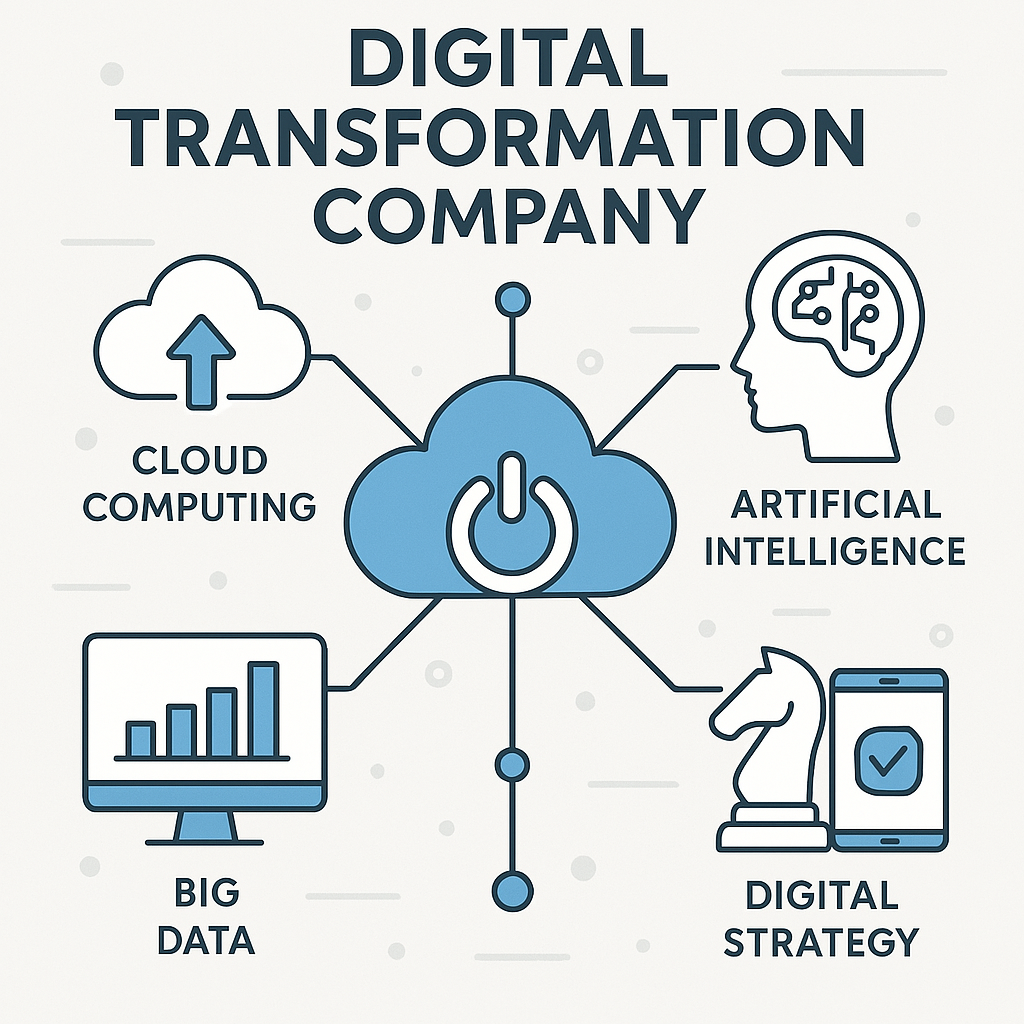
Digital transformation refers to the integration of digital technologies into all areas of a business, fundamentally changing how operations are conducted and value is delivered to customers. It encompasses a wide range of technologies, including cloud computing, artificial intelligence (AI), data analytics, automation, and the Internet of Things (IoT).
But it’s not just about technology—it’s about cultural change. Organizations must challenge the status quo, encourage innovation, and continuously adapt to meet evolving customer expectations and market demands.
Why Digital Transformation Matters
- Enhanced Efficiency and Productivity
By automating routine tasks and optimizing workflows, businesses can significantly improve operational efficiency. This allows employees to focus on higher-value activities, leading to better resource allocation and cost savings. - Improved Customer Experiences
Digital tools enable businesses to personalize interactions, respond to customer needs faster, and provide seamless omnichannel experiences. This level of personalization enhances customer satisfaction and loyalty. - Data-Driven Decision Making
With advanced analytics, companies can gain valuable insights into customer behavior, market trends, and operational performance. This data-driven approach supports informed decision-making and strategic planning. - Agility and Adaptability
Digital transformation fosters a culture of agility, enabling businesses to quickly adapt to changing market conditions, new technologies, and emerging opportunities. - Competitive Advantage
Companies that embrace digital transformation can differentiate themselves from competitors by offering innovative products, services, and experiences that meet the demands of today’s digital-savvy consumers.
Key Components of Digital Transformation
- Technology Integration
Implementing technologies like cloud computing, AI, machine learning, and automation tools to enhance business processes and service delivery. - Process Optimization
Reengineering workflows to eliminate inefficiencies, reduce costs, and improve productivity through digital solutions. - Cultural Shift
Encouraging a growth mindset, fostering innovation, and promoting digital literacy across all levels of the organization. - Customer-Centric Approach
Using digital tools to better understand and meet customer needs, creating more personalized and engaging experiences. - Data Utilization
Leveraging data analytics to gain actionable insights, optimize operations, and drive strategic decisions.
Steps to Successfully Implement Digital Transformation
- Define Clear Objectives
Understand the specific goals the business aims to achieve. This could include improving customer engagement, increasing operational efficiency, or launching new digital products. - Assess Current Capabilities
Evaluate the current technological infrastructure, processes, and workforce capabilities to identify areas that need improvement. - Develop a Strategic Plan
Create a roadmap that outlines the digital transformation journey, including timelines, resource allocation, and key performance indicators (KPIs). - Invest in the Right Technologies
Choose technologies that align with business goals and can scale with future growth. This may involve cloud platforms, CRM systems, data analytics tools, or AI-driven applications. - Foster a Digital Culture
Encourage continuous learning, collaboration, and innovation among employees. Provide training and support to help them adapt to new tools and workflows. - Monitor and Iterate
Regularly review progress against objectives, gather feedback, and make necessary adjustments to ensure continuous improvement.
Challenges in Digital Transformation and How to Overcome Them
- Resistance to Change
Employees may be hesitant to adopt new technologies due to fear of the unknown or job security concerns. To address this, clear communication, training, and involving staff in the transformation process are key. - Legacy Systems
Outdated IT infrastructure can hinder digital initiatives. Gradually phasing out legacy systems and integrating modern solutions can mitigate this issue. - Lack of Expertise
Digital transformation requires specialized skills in areas like data analytics, cybersecurity, and software development. Hiring talent or upskilling the existing workforce can bridge this gap. - Data Privacy and Security Concerns
As digital systems become more interconnected, the risk of cyber threats increases. Implementing robust security measures and data governance policies is essential.
Real-World Examples of Digital Transformation
- Amazon
Amazon has revolutionized the retail industry through digital transformation. From AI-driven product recommendations to automated supply chain management, its technology-driven approach has set new standards in e-commerce. - Netflix
Transitioning from DVD rentals to a streaming giant, Netflix leveraged data analytics and cloud infrastructure to personalize content recommendations and scale its global operations. - Tesla
Tesla’s use of software updates, autonomous driving technology, and advanced data analytics has redefined the automotive industry, emphasizing the role of digital transformation in product innovation.
The Future of Digital Transformation
As technology continues to evolve, digital transformation will become even more integral to business success. Emerging trends like AI, blockchain, 5G, and quantum computing are set to redefine industries, offering new opportunities and challenges.
Businesses that embrace these trends and remain agile in their digital strategies will be better positioned to thrive in the future.
Conclusion
Digital transformation is more than just adopting new technologies—it’s about reimagining how businesses operate and create value. By focusing on strategic goals, fostering a culture of innovation, and leveraging the right technologies, companies can navigate the complexities of the digital era and achieve sustainable growth.
For organizations looking to embark on this transformative journey, understanding the key components, benefits, and challenges is the first step toward success.
Ready to take your business to the next level with digital transformation?
Discover how the right strategies and technologies can drive growth, efficiency, and innovation. Contact expert team today to get a personalized consultation and start your digital transformation journey with confidence!
Trusted Digital Transformation Company | Malgo
Malgo is a trusted digital transformation company that provides tailored solutions to help businesses evolve and adapt to today's digital world.
www.malgotechnologies.com